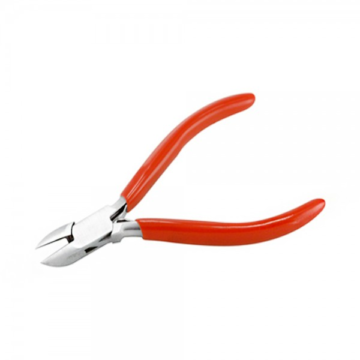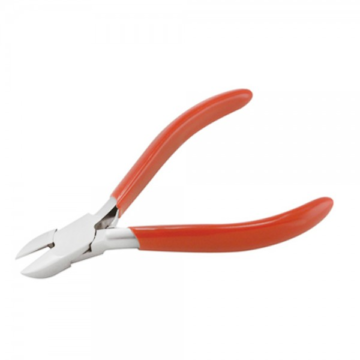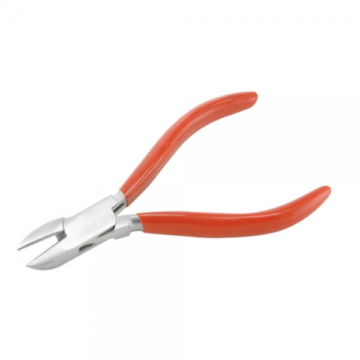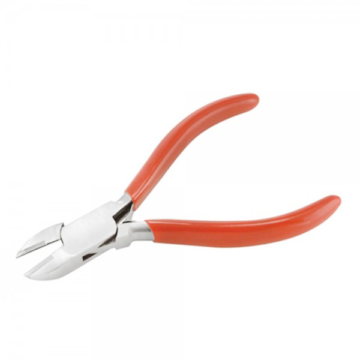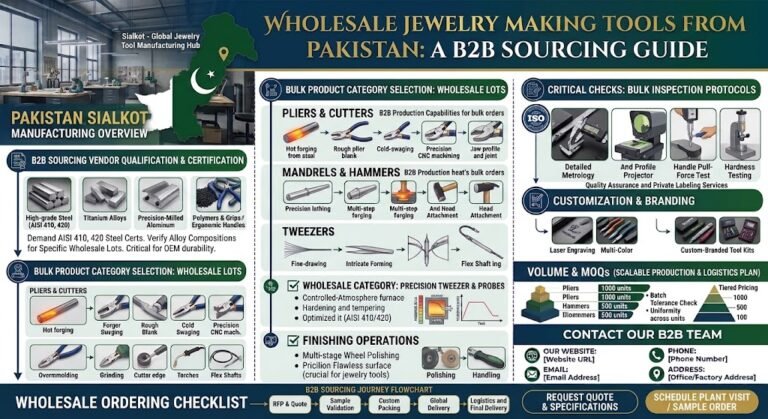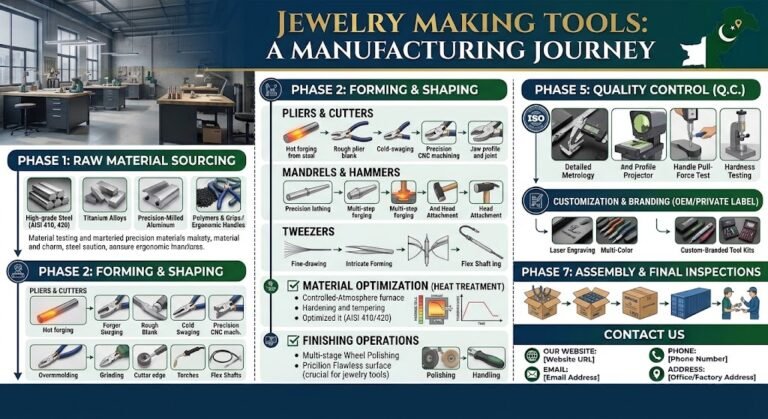
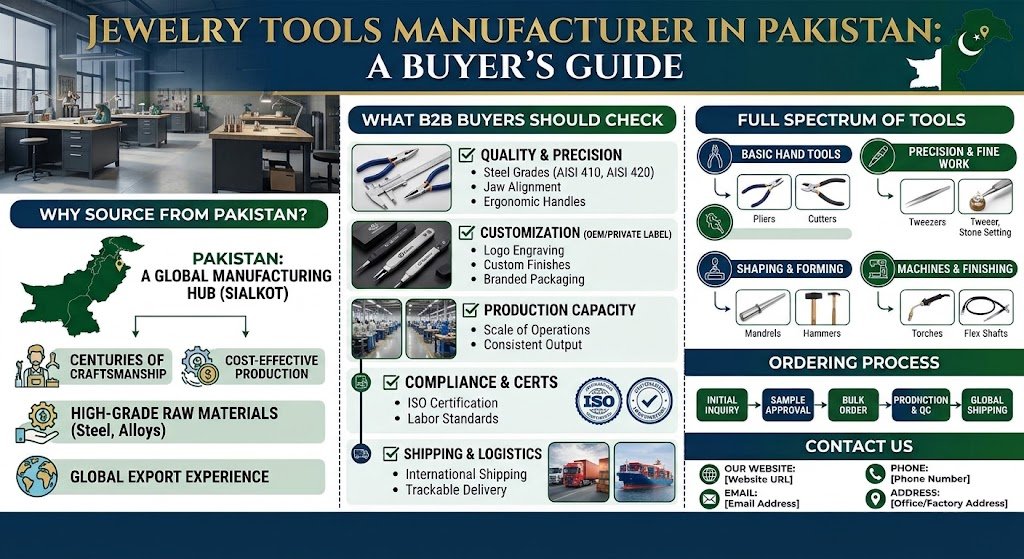
Pakistan has built a strong reputation for precision hand tools, and Sialkot sits at the center of that industry. For jewelry brands, craft suppliers, and distributors, sourcing from a jewelry tools manufacturer in Pakistan can offer solid quality, flexible customization, and competitive pricing. However, buyers still need to know what to check before placing an order. This guide explains the main product categories, the quality factors that matter, and how to work with a manufacturer on bulk and private label orders.
Why Source Jewelry Tools from Pakistan?
Sialkot has produced precision steel tools for generations. As a result, local manufacturers bring deep experience in forging, grinding, and hand finishing. Many factories also export worldwide, so they understand international packaging, documentation, and shipping. Buying directly from a factory adds further benefits. Communication becomes clearer, pricing improves at volume, and you gain more control over specifications.
Key Product Categories Available
A capable manufacturer usually covers several tool groups. Buyers can often source a full range from one supplier.
- Pliers and cutters – forming, parallel, rosary, combination, and heavy-duty wire cutters
- Bench and formation tools – steel and wooden mandrels, dapping blocks and punches, anvils, and bench blocks
- Measurement and layout tools – gauges, dividers, and precision calipers
- Carving and finishing tools – wax carvers, tweezers, craft scalpels, shears, and hand-polished finishing components
Sourcing across these groups from a single factory also simplifies shipping. In addition, it reduces the number of supplier relationships a buyer must manage.
Jewelry Pliers: The Core Product Line
Pliers are the most requested jewelry tools, so most buyers start here. The full jewelry tools category shows the available range. Specific types serve different tasks:
- Round nose pliers form loops and curves
- Bent nose pliers reach tight spaces at an angle
- Parallel pliers grip evenly along the full jaw
- Forming pliers shape wire into consistent curves
- Lindstorm pliers give a precise, controlled grip for fine work
- Nylon jaw pliers shape wire without marking the metal
- Ergonomic pliers reduce hand strain during long sessions
Specialty Tools, Kits, and Storage
Professional jewelers also need tools for setting and assembly. For example, ring setting pliers hold rings steady during adjustments. Meanwhile, stone setting pliers help secure gemstones in their mountings.
Many buyers also prefer bundled products. Pliers kits combine the most common tools in one package, which suits beginners, schools, and gift-style retail. A pliers stand keeps tools organized on the workbench.
For a broader view of which tools suit each skill level, read our guide to the best jewelry making tools.
Material and Quality Factors
Quality depends on steel, machining, and finishing. Reputable manufacturers use surgical-grade stainless steel, commonly AISI 410 or AISI 420. This steel resists rust and holds its shape under repeated use. Surgical-grade here describes the steel quality only. These tools serve jewelry making, not hospital or medical surgery.
Beyond material, buyers should check these points:
- Jaw alignment – jaws must meet evenly so wire does not slip
- Surface finish – smooth jaws protect soft metals from marks
- Joint action – a consistent joint reduces hand fatigue
- Hand finishing – careful polishing improves comfort and appearance
- Batch consistency – bulk orders should match the approved sample
OEM and Private Label Services
Many jewelry brands sell tools under their own name. Therefore, choose a manufacturer that supports both private label and OEM production. Common services include:
- Custom laser engraving and logo etching
- Custom handle finishes and colors
- Custom dimensions where the design allows
- Branded pouches, boxes, and display packaging
Clients can apply their branding directly to the tools. Confirm these options early, so you avoid changing suppliers as your brand grows.
MOQ, Samples, and Lead Time
Minimum order quantity (MOQ) is flexible. It depends on the product, the level of customization, and the order volume. Consequently, smaller distributors can test a new line, while larger brands can scale production. Always request a sample before bulk production, because it lets you verify feel, alignment, and finish. Also confirm lead times in writing before you order.
How to Evaluate a Manufacturer
Look beyond price when you compare suppliers. Instead, ask direct questions:
- Which steel grade do you use for each tool?
- How do you inspect jaw alignment across a batch?
- Do you offer OEM and private label services?
- Can you engrave our logo on the tools?
- How do you pack tools for export shipping?
- Which countries do you export to?
Clear, specific answers signal strong production control. Vague replies, on the other hand, may point to limited oversight.
Final Thoughts
A reliable jewelry tools manufacturer in Pakistan combines skilled craftsmanship, verified steel quality, flexible customization, and export experience. Buyers who check materials, test samples, and ask detailed questions reduce risk and build stronger supply relationships. To discuss specifications, request OEM pricing, or ask about MOQ, contact the export team or request a quote.