The right tools shape every piece of handmade jewelry. A beginner needs a small set of reliable basics, whereas a professional needs precision tools for soldering, shaping, and setting. For jewelry brands, craft suppliers, and distributors, knowing the difference helps build a catalog that serves both groups. This guide covers the best jewelry making tools for beginners and professionals. It also explains what B2B buyers should check before sourcing.
Essential Jewelry Making Tools for Beginners
Beginners can start with a handful of hand tools, because each one covers a core task.
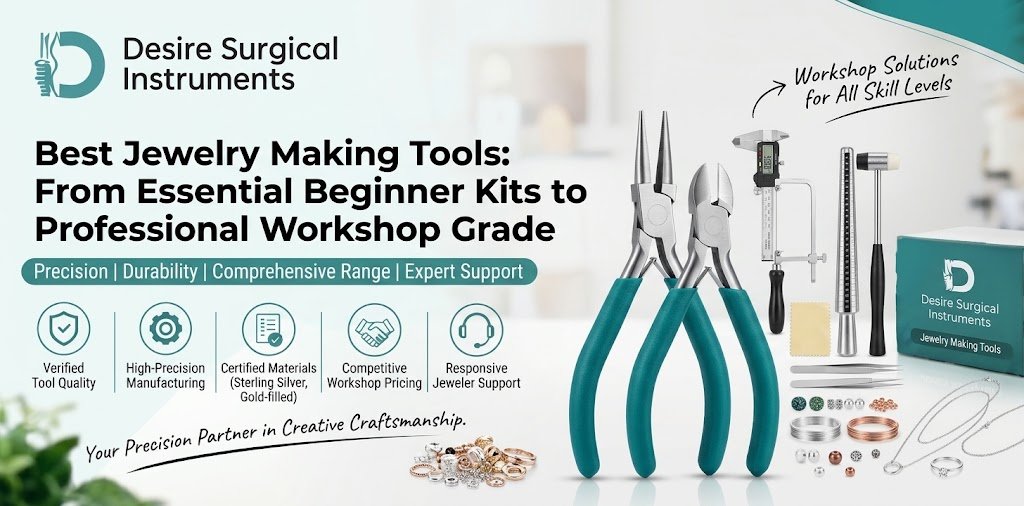
- Chain nose pliers – flat, tapered jaws grip wire, bend metal, and open or close jump rings
- Round nose pliers – rounded, tapered jaws form consistent loops, curves, and ring shapes
- Flat nose pliers – wide, flat jaws give a strong grip, sharp bends, and flat metal sections
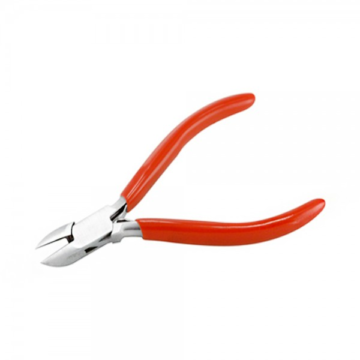
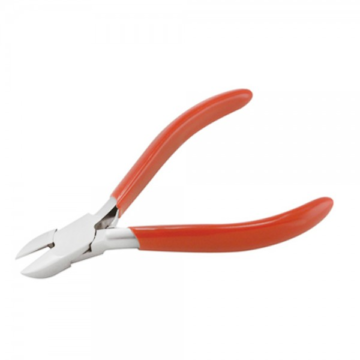
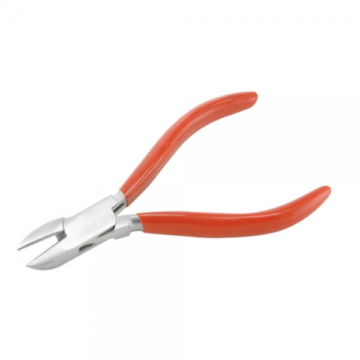
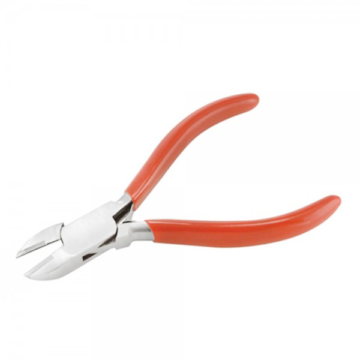
- Wire cutters (side cutters) – clean, flush cuts on soft wire, headpins, and beading thread
- Crimping tool – folds and rounds bead crimps to lock clasps onto flexible beading wire
- Bead mat – a soft, textured surface that keeps small beads from rolling away
- Needle files – smooth rough edges, remove burrs, and refine shapes
- Ring mandrel – a tapered rod that sizes, shapes, and rounds rings accurately
Together, these tools handle most beginner projects, from simple earrings to beaded bracelets. As a result, many suppliers sell them as starter sets.
Advanced Tools for Professional Jewelers
Professionals work with metal at a higher level. Therefore, they add tools for cutting, heating, and shaping.
- Jeweler’s saw frame and blades – hand-pierced cutting of sheet metal and tubing
- Gas or butane torch – precision soldering, annealing, and heat-treating
- Soldering block and third hand tool – a fireproof workspace that holds parts steady under heat
- Universal flex shaft – powers a rotary handpiece for drilling, grinding, and stone setting
- Rawhide or nylon mallet – shapes and flattens metal without scratching the surface
- Steel bench block and anvil – a heavy, flat base for hammering and texturing
Torches and flex shafts are machines rather than hand tools. Even so, hand tools still do much of the finishing work. In fact, pliers and tweezers appear in almost every professional workflow.
Pliers: The Core of Any Jewelry Tool Kit
Pliers are the most used tools at every skill level. Buyers can browse the full jewelry tools category to see the available range. Several specialty types serve different tasks:
- Round nose pliers form loops and curves
- Bent nose pliers reach tight spaces at an angle
- Parallel pliers grip evenly along the full jaw
- Forming pliers shape wire into consistent curves
- Lindstorm pliers offer a precise, controlled grip for fine work
- Nylon jaw pliers straighten and shape wire without marking it
- Ergonomic pliers reduce hand strain during long sessions
Tools for Stone Setting and Fine Work
Professional jewelers also need tools for detailed assembly. For example, ring setting pliers hold rings steady during repairs and adjustments. Meanwhile, stone setting pliers help secure gemstones in their mountings. For small, delicate parts, watch making tweezers give a fine, accurate hold.
Kits and Storage
Many buyers prefer ready-made sets. Pliers kits bundle the most common tools in one package, so they suit beginners, jewelry schools, and gift-style retail. In addition, a pliers stand keeps tools organized and within reach on a workbench.
What B2B Buyers Should Check
Tool quality varies widely, so buyers should verify the following before ordering in bulk:
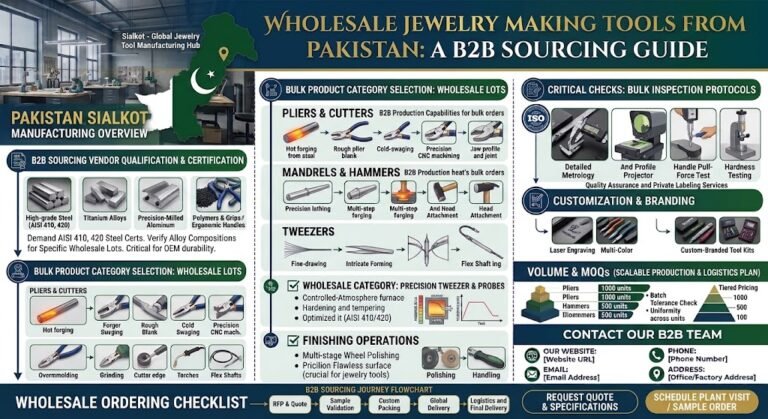
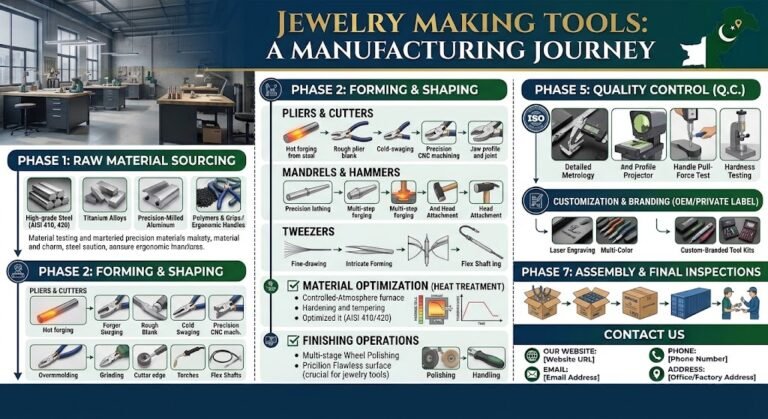
- Steel grade – surgical-grade stainless steel, such as AISI 410 or AISI 420, resists rust and wear
- Jaw alignment – jaws should meet evenly to grip wire without slipping
- Surface finish – smooth jaws prevent marks on soft metals
- Joint action – a smooth, consistent joint reduces hand fatigue
- Customization – ask about logo engraving, custom finishes, and branded packaging
Surgical-grade here describes the steel quality only, since these tools serve jewelry making and not medical use.
OEM and Private Label Options
Jewelry brands and craft suppliers often sell tools under their own name. For this reason, a manufacturer that supports OEM and private label production adds real value. Common services include custom logo engraving, custom handle finishes, tailored dimensions where the design allows, and branded packaging. Minimum order quantity (MOQ) is flexible, and it depends on the product, the level of customization, and the order volume.
Final Thoughts
Beginners need a few dependable hand tools, while professionals add cutting, heating, and shaping equipment on top of them. Quality pliers and tweezers support both groups, so they deserve careful sourcing. Overall, buyers who check steel grade, jaw alignment, and customization options early avoid costly surprises later. To discuss specifications, request OEM pricing, or ask about MOQ, contact the export team or request a quote.