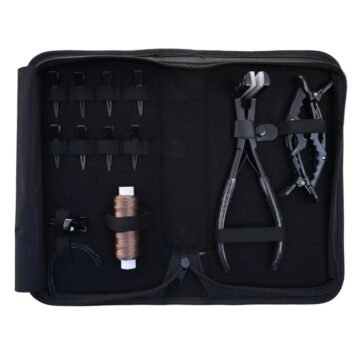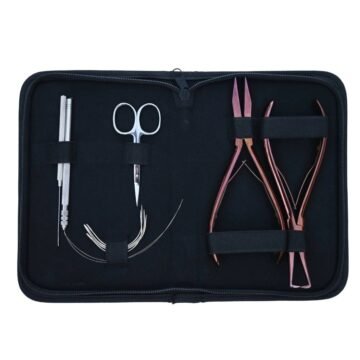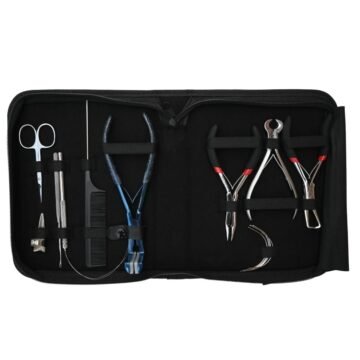
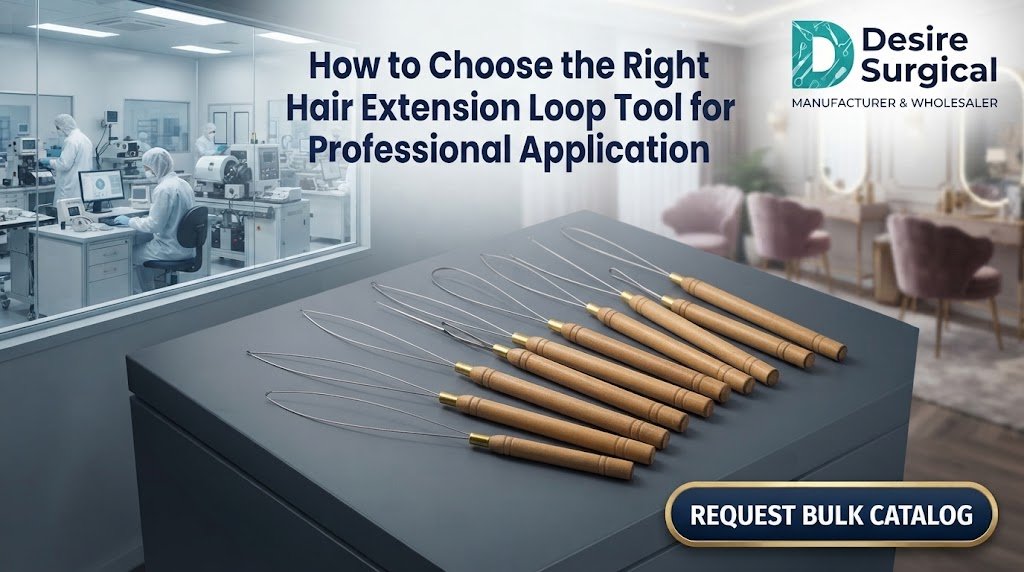
Choosing the right hair extension loop tool is an important part of creating a smooth and efficient extension application process. A suitable looper helps professionals section hair, guide extension strands, and prepare hair for techniques such as micro ring and nano ring applications. However, not every loop tool is built the same way. Wire loopers, nylon loopers, aluminum tools, plastic-handle designs, and stainless-steel pulling loopers each offer a different handling experience. Because of this, understanding these differences makes it easier to pick the right option for your workflow.
What Is a Hair Extension Loop Tool?
A hair extension loop tool is an application accessory designed to help pull or guide natural hair through extension rings, beads, or similar attachment components. This design is especially useful when working with small sections of hair. For example, a looping mechanism lets a stylist guide strands through the required attachment point instead of positioning them by hand. Salon professionals who keep a set of reliable professional hair extension loops on hand find repetitive extension work more organized and efficient.
Why the Right Looper Matters
Extension application demands precision. Stylists working with micro rings, nano rings, or comparable methods need to control small hair sections without unnecessary pulling or tangling. Therefore, the right looper supports several parts of that process.
A good hair extension wire looper can help with:
- Creating controlled hair sections
- Guiding hair through rings or beads
- Preparing strands for extension attachment
- Improving application efficiency
- Supporting a more consistent workflow
Overall, the best choice depends on your extension technique, your handling preference, and the type of service being performed.
Types of Hair Extension Loop Tools
Your collection includes several types of professional loopers. Each one gives stylists a different working style to choose from.
Aluminum Loop Tools
Aluminum loop tools are lightweight and suit stylists who want a simple, easy-to-handle instrument. This option works well for everyday extension prep where a practical tool is needed to guide hair through rings or beads. In addition, compact aluminum construction appeals to professionals who like keeping their kit light.
Nylon Wire Loopers
Nylon wire loopers offer flexibility for gathering and pulling small sections of hair through a ring or bead. Their flexible loop design makes threading easier during repetitive work. As a result, professionals doing frequent micro ring or nano ring applications often rely on a dependable nylon wire looper tool for micro rings as a core part of their kit.
Plastic Handle Wire Loopers
A plastic handle wire looper combines a wire loop with a defined grip. This design can improve control during repeated applications. Many stylists find it easier to manage across numerous extension sections in a single appointment.
Golden Hair Extension Loop Tools
A golden hair extension loop tool offers another straightforward option for professionals. What matters most isn’t the finish or appearance. Instead, the design should suit your specific application technique and working habits.
Multi-Color Loop Tools
Multi-color loop tools help stylists who work with several accessories at once. Different colors make it easier to quickly identify the right tool for each stage of the application process. This can save time during busy salon days.
Combination Loop and Hook Tools
Some stylists prefer a versatile instrument that combines pulling and hooking functions. A hair extension loop and hook tool can simplify the toolkit by handling more than one step of the process. As a result, fewer separate tools are needed on the station.
Stainless Steel Wire Pulling Loopers
Stainless steel wire pulling loopers round out the category. This material is commonly chosen for instruments that need to withstand repeated daily use. Meanwhile, a wire pulling design helps professionals guide hair through extension rings or beads while keeping full control of the section.
Choosing a Looper for Your Technique
There is no single looper tool that works best for every professional. Start by identifying the extension method you use most often.
For Micro Ring Extensions
A flexible wire or nylon design suits a simple threading approach. This type of micro ring loop tool works well for gathering small sections quickly. It also reduces strain during long sessions.
For Nano Ring Extensions
Nano ring components are especially small, so precision becomes the priority. When selecting a nano ring loop tool, consider the loop size and flexibility first. Then, check how comfortably the tool fits your normal motion.
For Regular Salon Use
Durability and comfort matter most for frequent use. Look for a tool that:
- Feels comfortable during repeated use
- Provides reliable control
- Suits your preferred extension method
- Stores easily with other equipment
- Fits well into a professional salon workflow
Wire Looper vs. Traditional Loop Tool
Wire-based and traditional loop tools perform similar basic functions. Even so, construction still changes the handling experience significantly. A wire looper offers flexibility when gathering and pulling hair through rings or beads, while other designs offer a more structured shape that some stylists find easier to control.
Consider the extension type you apply most often before choosing. Also think about how you naturally hold and operate your tools. Matching the tool to your habits matters more than matching it to appearance.
What to Look for in Professional Extension Loopers
A few practical factors are worth weighing before you buy.
Construction
The material should suit regular professional use. Depending on the design, options may include aluminum, nylon, plastic-handled wire, or stainless steel.
Comfort
A tool that feels comfortable in your hand helps during appointments with many extension sections. Similarly, fatigue can affect precision over a long shift.
Precision
The loop should match the size of hair sections required by your technique. This is especially important for nano ring work.
Ease of Handling
Simple operation matters most when a tool gets used repeatedly throughout the day. For this reason, a hair extension loop needle threader is worth considering for stylists who want consistent threading accuracy built into the design.
Storage
Small extension accessories are easy to misplace. Keeping loopers organized in a dedicated storage area or professional kit helps maintain an efficient workstation.
Why One Looper Isn’t Always Enough
Different clients and techniques call for different approaches. For this reason, professionals offering multiple extension services often benefit from having more than one looper on hand. A flexible nylon wire design, for instance, might suit one application, while a more structured tool suits another. Overall, keeping several hair extension loop tools available gives you flexibility without forcing every job into the same workflow.
Final Thoughts
Choosing the right hair extension loop tool comes down to your technique, your handling style, and the extension types you apply most often. Aluminum and nylon wire designs offer one kind of experience, while plastic-handle loopers and stainless-steel pulling tools offer another. Micro ring and nano ring specialists, in particular, should pay close attention to precision, flexibility, comfort, and ease of use.
Don’t choose a tool simply because it looks professional. Instead, select a hair extension threading tool that actually fits your workflow. In the end, the right equipment makes hair sectioning and extension preparation more organized, consistent, and efficient.