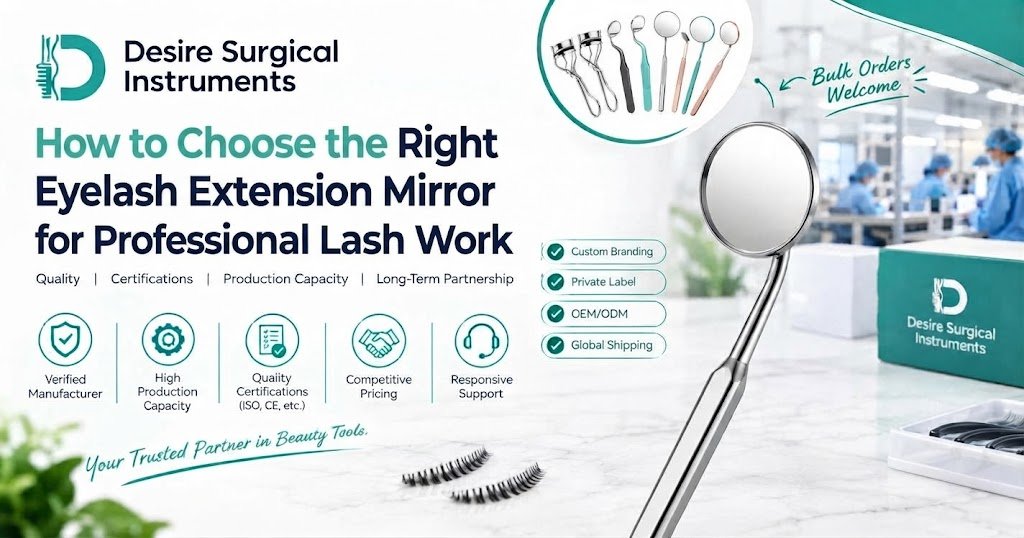
A lash extension mirror seems like a minor purchase decision, but the right choice affects client experience, studio presentation, and even repeat bookings. Technicians use mirrors daily, for consultations, aftercare demonstrations, and final result reveals. For lash professionals and the salon supply businesses that stock them, choosing a mirror means balancing practicality, durability, and visual appeal. This guide walks through the key factors to consider when selecting an eyelash extension mirror for professional use.
Why the Right Mirror Matters
A mirror plays a small but meaningful role in the client’s overall lash appointment experience. At the end of a session, clients want to see their results clearly and from multiple angles. A mirror also supports the consultation stage, where technicians discuss desired lash styles before application begins. Beyond function, a well-made mirror reinforces a sense of professionalism in the treatment space. A flimsy or scratched mirror, by contrast, can undercut an otherwise polished studio setup.
Key Factors to Consider
1. Shape and Size
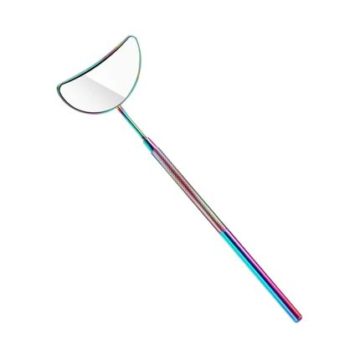
Mirror shape affects both handling and presentation. Round and crescent shapes remain popular for their classic, functional look, while novelty shapes such as heart designs appeal to studios building a distinctive, social-media-friendly brand identity. Size matters too. A compact mirror suits quick client reveals, while a slightly larger mirror gives a fuller view for detailed consultations.
2. Frame Material and Durability
Frame material determines how well a mirror holds up to daily salon handling. Metal frames generally resist wear better than lightweight plastic alternatives, especially in a busy studio where mirrors get picked up, set down, and passed between technician and client repeatedly throughout the day. A durable frame also protects the glass edges from chipping over time.
3. Glass Quality
Clear, distortion-free glass matters more than it might seem. Clients evaluating their lash results want an accurate reflection, not a warped or hazy one. Lower-quality glass can also develop scratches faster, which shortens the mirror’s usable life and affects how the studio appears to clients.
4. Finish
Finish is where function meets branding. Options such as polished metallic, matte, or plated colors let a mirror match a studio’s interior or a brand’s product line. Polished and gold-toned finishes often suit upscale studios, while matte finishes fit a more minimalist, modern aesthetic. The finish should also hold up to regular handling without fading or wearing thin at contact points.
5. Weight and Grip Comfort
Technicians and clients both handle the mirror directly, so weight matters for comfort. A mirror that feels too heavy can be awkward during a quick reveal, while one that feels flimsy may not convey the same professional impression. A balanced weight with a comfortable grip edge works best for repeated daily use.
Comparison Table: What to Look For
| Factor | What to Check |
|---|---|
| Shape | Round, crescent, or novelty shapes suited to your studio style |
| Frame Material | Metal or durable composite that resists daily wear |
| Glass Quality | Clear, distortion-free reflection |
| Finish | Durable polished, matte, or plated coating |
| Size | Compact for reveals, slightly larger for consultations |
| Customization | Logo engraving, custom color, branded packaging |
Considerations for Salons and Studios
Individual lash technicians and studio owners should choose a mirror that fits the overall treatment room aesthetic while remaining practical for daily use. A mirror used dozens of times a day needs to withstand regular handling without showing wear quickly. Studios that also sell retail add-ons may consider offering a mirror as part of a client aftercare kit, which adds a small revenue stream while reinforcing the studio’s branding at home.
Considerations for Distributors and Brands
Salon supply distributors and beauty brands stocking mirrors for resale should prioritize consistency across bulk orders. A batch with uneven finishes or inconsistent glass quality reflects poorly on the brand reselling it. Working with a manufacturer that supports private labeling, including custom logo engraving and branded packaging, adds further value for brands building a complete lash and beauty tool catalog.
Minimum order quantity (MOQ) is typically flexible and depends on the shape, finish, and level of customization requested, which allows both smaller distributors and larger brands to source appropriate quantities for their stage of growth.
Buyers can explore the full eyelash extension mirror category to compare available shapes and finishes, or browse the broader eyelash tools category to build a complete professional lash supply range. For a full overview of available product categories, visit the Desire Surgical homepage.
Final Thoughts
Choosing the right eyelash extension mirror comes down to balancing durability, glass quality, and finish with the practical demands of daily studio use. Technicians benefit from a mirror that performs reliably appointment after appointment, while distributors and brands benefit from consistent quality across bulk orders. To discuss custom specifications, request pricing, or ask about MOQ, contact the export team or request a quote.