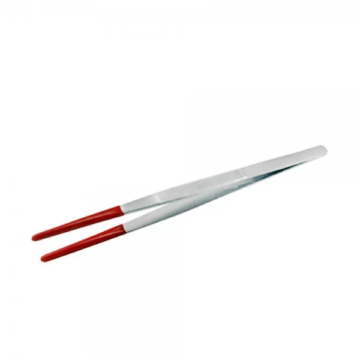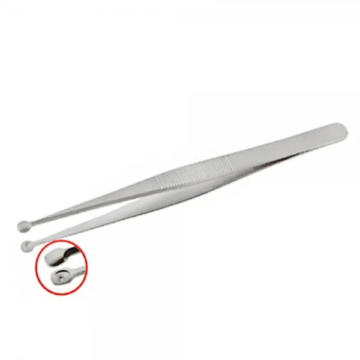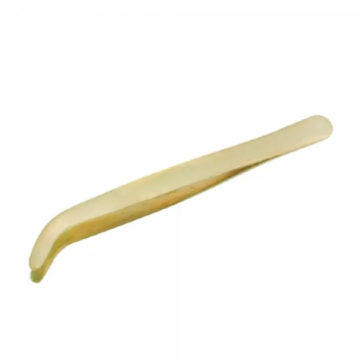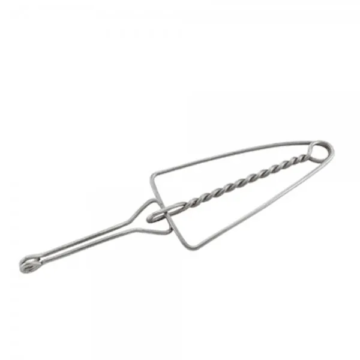
Jewelry pliers are essential tools for goldsmiths, silversmiths, designers, and professional jewelry manufacturers. They bend wire, form loops, assemble chains, and handle delicate components. Choosing the right type improves precision, productivity, and finished quality. This guide explains the most common types of jewelry pliers and their uses in professional production.
Desire Surgical is a wholesale manufacturer of precision beauty, body piercing, jewelry, and optical tools produced using premium surgical-grade stainless steel. The company does not manufacture hospital or medical surgical instruments.
Quick Comparison of Jewelry Pliers
| Pliers Type | Jaw Design | Main Use |
|---|---|---|
| Round nose | Smooth, tapered cones | Loops and curves |
| Flat nose | Broad, flat jaws | Gripping and bending |
| Chain nose | Narrow, tapered jaws | Findings and jump rings |
| Bent nose | Angled jaws | Tight, hard-to-reach areas |
| Wire cutters | Cutting edges | Clean wire cuts |
| Nylon jaw | Protective nylon tips | Scratch-free shaping |
| Bail making | Stepped, shaped jaws | Consistent bails and loops |
Browse the full range of jewelry making tools to compare options for your production line.
1. Round Nose Pliers
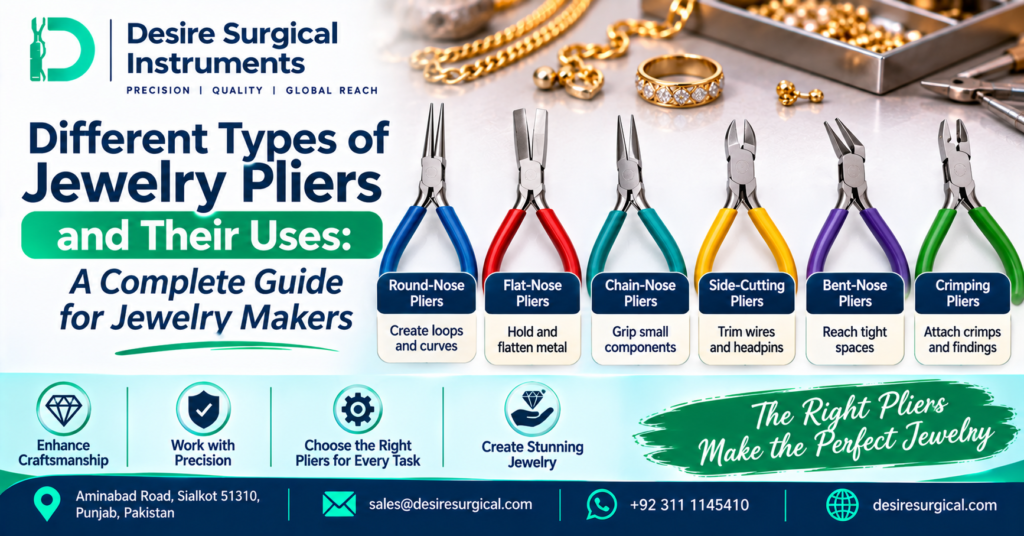
Round nose pliers have smooth, cone-shaped jaws that taper toward the tips. Jewelers use them to create loops, curves, and circular shapes in wire.
- Forming loops for earrings and pendants
- Bending wire into circles
- Making jump rings and wire connections
As a result, they suit intricate designs that need smooth, consistent curves.
2. Flat Nose Pliers
Broad, flat jaws give these pliers a strong and stable grip. They hold, bend, and shape metal components during assembly.
- Holding wire securely
- Bending flat metal pieces
- Opening and closing findings
- Straightening wire and small parts
Their flat gripping surfaces make controlled fabrication easier.
3. Chain Nose Pliers
Narrow, tapered jaws provide access to small components. The pointed design is ideal for precision work in confined spaces.
- Opening and closing jump rings
- Attaching clasps and findings
- Adjusting small metal parts
- Holding delicate wire during assembly
Professional makers choose them for detailed finishing and assembly.
4. Bent Nose Pliers
Angled jaws let jewelers reach awkward areas while keeping a comfortable grip. Consequently, bent nose pliers improve visibility and access during intricate work.
- Working in tight spaces
- Handling small components
- Adjusting wire connections
- Opening and closing jump rings
5. Jewelry Wire Cutters
Cutters trim wire cleanly and accurately, and several cutting styles exist for different materials and finishes. Flush cutters are especially useful when a close, tidy cut is required. Explore our cutters for general wire work. For harder materials, TC tip cutters provide a durable cutting edge.
- Cutting jewelry wire
- Trimming excess metal
- Preparing wire for assembly
- Cutting soft wire to length
6. Nylon Jaw Pliers
Protective nylon tips prevent scratches and marks on delicate surfaces. Therefore, they work well with soft metals such as gold and silver.
- Straightening wire
- Reshaping metal without surface damage
- Handling delicate components
- Protecting polished finishes
7. Bail Making Pliers
Specially shaped jaws help produce consistent loops and bails. Likewise, forming pliers support repeatable shapes across large production runs.
- Creating pendant bails
- Forming large wire loops
- Producing decorative connections
- Keeping loop sizes consistent
Related Tools for a Complete Workbench
Pliers work best alongside supporting tools. Bench tools organize everyday shaping tasks, while watch making tweezers handle very small parts. In addition, beading tools and ring cutters cover specialized jobs. Buyers who prefer ready-made assortments can review pliers kits.
How to Choose the Right Jewelry Pliers
Selection depends on the jewelry design, the material, and the manufacturing process. Consider the following factors:
- Jaw shape: Match the profile to the task.
- Material quality: Stainless steel resists wear and corrosion. Grades such as AISI 410 and 420 are commonly used where hardness and rust resistance matter.
- Ergonomic handles: Comfortable grips reduce fatigue.
- Precision: Aligned, smooth jaws protect delicate metals.
- Durability: Well-made tools hold their accuracy longer.
Using the correct pliers for each task reduces material damage, improves efficiency, and supports consistent quality.
Wholesale Jewelry Pliers for Professional Jewelry Makers
Manufacturers, workshops, and distributors benefit from dependable bulk supply, which protects production efficiency and inventory availability. Desire Surgical exports precision jewelry tools worldwide from Sialkot, Pakistan.
| Specification | Details |
|---|---|
| Material | Surgical-grade stainless steel |
| Product Types | Pliers, cutters, tweezers, kits |
| Branding | Laser engraving and logo etching |
| Packaging | Standard or custom export packaging |
| OEM Availability | Yes |
| MOQ | Flexible, depending on product and customization |
| Country of Origin | Pakistan |
OEM and Private Label Services
Client branding can be applied directly to products. Desire Surgical offers OEM manufacturing, private labeling, custom laser engraving, logo etching, custom packaging, and custom finishes. Minimum Order Quantity (MOQ) is flexible and depends on the specific product, customization requirements, and order volume.
Conclusion
Round nose, flat nose, chain nose, bent nose, wire cutters, nylon jaw, and bail making pliers each serve a distinct purpose. Choosing suitable pliers helps goldsmiths, silversmiths, and manufacturers achieve better fabrication and assembly results.
Looking for professional jewelry pliers for your business? Request a Quote, Download Our Product Catalog, or Contact Our Export Team to discuss wholesale supply, bulk orders, and OEM manufacturing.