Knowing how to maintain jewelry making tools protects both your production quality and your budget. Precision pliers, cutters, and tweezers lose accuracy when they are dirty, dull, or corroded. Consequently, even small neglect leads to scratched jewelry, uneven cuts, and costly replacements. This guide covers the practical steps that manufacturers, workshops, and distributors can follow to keep tools performing for years.
Desire Surgical is a wholesale manufacturer of precision beauty, body piercing, jewelry, and optical tools produced using premium surgical-grade stainless steel. The company does not manufacture hospital or medical surgical instruments.
Types of Jewelry Making Tools and Their Maintenance Needs
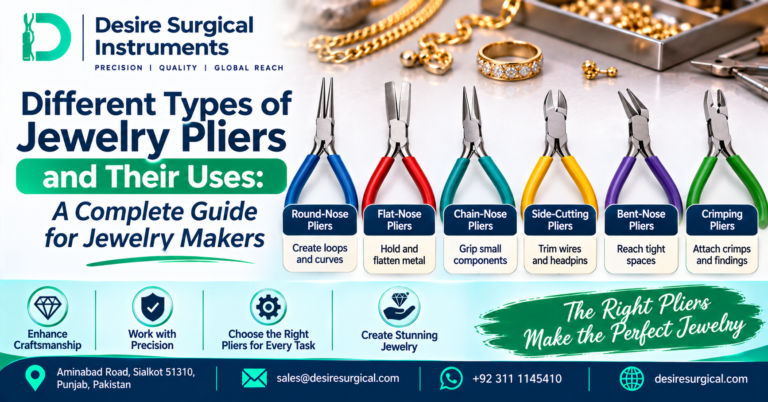
Different tools wear in different ways, so each needs specific attention. Browse the full range of jewelry making tools to see how varied the category is.
| Tool Type | Main Risk | Care Focus |
|---|---|---|
| Pliers | Loose joints, jaw marks | Lubricate joints, keep jaws smooth |
| Cutters | Dull or chipped edges | Cut only suitable wire |
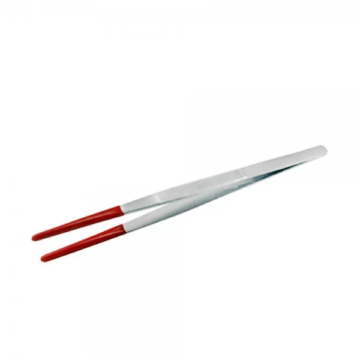
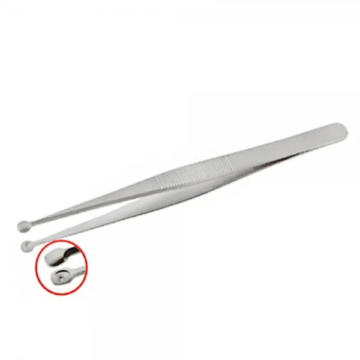
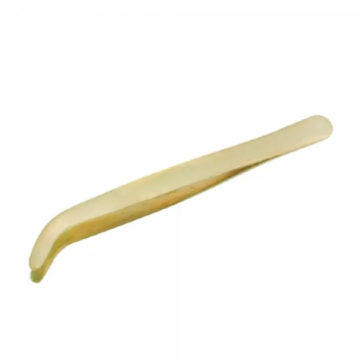
| Tweezers | Bent or misaligned tips | Protect tips during storage |
| Mandrels and forming tools | Surface scratches | Wipe clean after each use |
How to Clean Jewelry Making Tools Properly
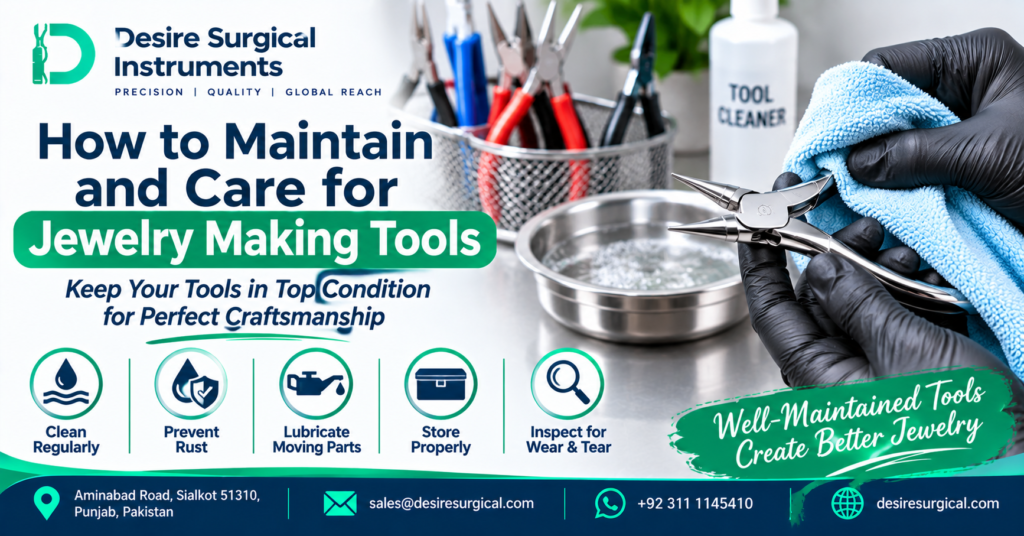
Cleaning should happen at the end of every work session. First, brush off metal dust and debris. Next, wipe the tool with a soft cloth and mild soapy water. Then rinse it, and dry it completely before storage. Moisture left in joints is the leading cause of early rust. For stubborn residue, use a soft nylon brush rather than steel wool, which scratches the surface.
Preventing Rust and Corrosion on Metal Tools
Rust resistance starts with material quality. Stainless steel grades such as AISI 410 and 420 resist corrosion well, yet no steel is immune to neglect. To prevent damage, keep tools away from humidity, acids, and salt. After cleaning, apply a thin layer of light machine oil to joints and metal surfaces. In addition, place silica gel packets in storage boxes, especially in humid climates.
Proper Storage of Jewelry Making Tools
Good storage prevents more damage than most people expect. Tools thrown together in a drawer knock against each other, which dulls cutting edges and misaligns tips. Instead, use tool rolls, foam-lined trays, or dedicated racks. A well-organized bench tools setup also saves time, since every tool has a fixed place.
Tips to Maintain Pliers, Cutters, Tweezers, and Mandrels
- Pliers: Keep bent nose pliers and forming pliers free of grit, and oil the joints regularly. Avoid forcing them on wire that is too thick.
- Cutters: Use cutters only on wire they are designed for. Likewise, handle TC tip cutters carefully, because hard tips can chip if dropped.
- Tweezers: Store watch making tweezers with tip protectors, and never use them to pry.
- Mandrels: Wipe them after each use so residue does not mark the next piece.
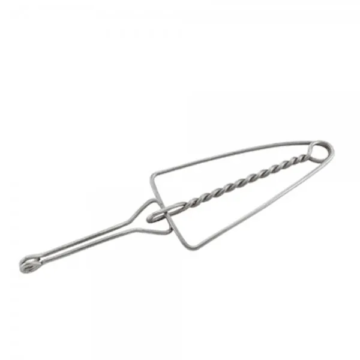
- Specialty tools: Inspect ring cutters and beading tools for wear on a regular schedule.
Common Mistakes to Avoid When Caring for Jewelry Tools
- Storing tools while still damp
- Using pliers as hammers or cutters as pry bars
- Cleaning with abrasive pads or harsh chemicals
- Cutting wire harder than the tool’s rated capability
- Ignoring loose joints until they fail
- Mixing tools in one container without protection
Benefits of Regular Tool Maintenance for Jewelry Manufacturers
Consistent care delivers measurable advantages. Tools last longer, so replacement costs fall. Cuts and bends stay precise, which means fewer rejected pieces. Moreover, a clean and organized workshop speeds up production and supports a professional image. For manufacturers running many stations, these savings add up quickly.
B2B Wholesale Jewelry Making Tools from Desire Surgical
Desire Surgical supplies precision jewelry tools in bulk to importers, distributors, and jewelry manufacturing brands worldwide from Sialkot, Pakistan. The range includes pliers, cutters, tweezers, and complete pliers kits for resale or workshop use. In addition, the company offers OEM manufacturing, private labeling, custom laser engraving, logo etching, and custom packaging, so client branding can be applied directly to products.
Minimum Order Quantity (MOQ) is flexible and depends on the specific product, customization requirements, and order volume.
Conclusion and Call to Action
Regular cleaning, rust prevention, and careful storage keep jewelry tools accurate and reliable. Start with good habits, and choose durable stainless steel tools from the beginning. Ready to source precision tools for your business? Request a Quote, Download Our Product Catalog, or Contact Our Export Team to discuss your wholesale and OEM requirements.