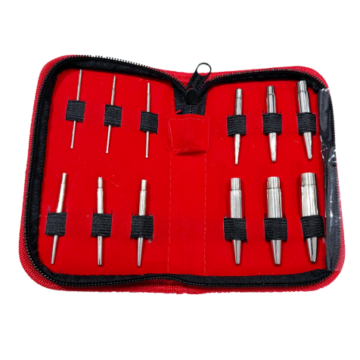
Understanding Piercing Tool Materials
When any professional body piercer, studio owner, or online shop manager purchases new piercing tools, one question comes up first: what materials are these tools made of? Because body piercing deals directly with human skin and health, the material must stay completely safe, durable, and rust-free. Let’s explore what importers and factories worldwide consider the best material for professional piercing instruments.
Surgical-Grade Stainless Steel (AISI 410 & 304)
The best and highest-standard material for manufacturing piercing tools, including forceps, clamps, and pliers, is premium surgical-grade steel.
This steel offers exceptional resistance against rust. Even after frequent contact with water, chemicals, and disinfectant sprays, it doesn’t degrade. At Desire Surgical, we use this exact surgical-grade steel across our product line, so every tool remains strong and long-lasting.
Autoclave Safety and Heat Resistance
After every piercing session, sterilizing tools in a high-temperature autoclave machine becomes mandatory. This process puts significant stress on any metal, which makes material choice critical.
Cheap iron or low-quality materials turn black or lose their spring tension due to high heat and pressure. In contrast, tools crafted from pure surgical-grade steel stay in like-new condition despite hundreds of autoclave cycles. This durability difference becomes obvious within just a few months of regular studio use.
Optimal Grip and Spring Tension
Hand control matters greatly during a piercing procedure. Tools made from quality steel possess natural elasticity and strength. Consequently, this gives the piercer absolute control and ease while working on sensitive areas of the body.
Poor-quality steel, on the other hand, tends to lose its spring tension over time. This makes clamps and forceps feel loose or unreliable, which can disrupt an entire procedure at the worst possible moment.
AISI 410 vs. AISI 304: Understanding the Difference
Manufacturers choose between these two grades depending on the tool’s specific function. AISI 410 offers higher hardness, which suits tools needing a sharp, precise edge, such as ring closing pliers. AISI 304 offers stronger corrosion resistance, making it well-suited to tools requiring maximum rust protection across frequent sterilization cycles. Reputable manufacturers select the grade that matches each tool’s actual use case, rather than defaulting to a single material across the entire product line.
Why Material Choice Affects Your Business
Choosing the wrong material doesn’t just create a maintenance headache. It creates real hygiene and safety risk for studios and their clients. Tools that rust or degrade faster than expected need frequent replacement, which adds hidden costs over time. Sourcing genuine surgical-grade steel from the start avoids this cycle and protects both client safety and long-term profitability.
Conclusion
If you’re looking for piercing tools for your studio or brand made from pure surgical-grade material that meets international standards, connect directly with Desire Surgical to cut out the middlemen.
Explore our full body piercing tools category to see our complete range of surgical-grade instruments.
Desire Surgical produces tools for the professional beauty and body piercing market, not certified hospital or medical surgical instruments.