Eyebrow tools move through beauty supply channels at a steady, predictable pace, making this category one of the more dependable wholesale product lines for international distributors and salon supply companies. For global buyers sourcing eyebrow tools for the first time, understanding the material options, customization possibilities, and order logistics involved helps build a supply relationship that holds up across repeat orders.
Understanding the Eyebrow Tools Category
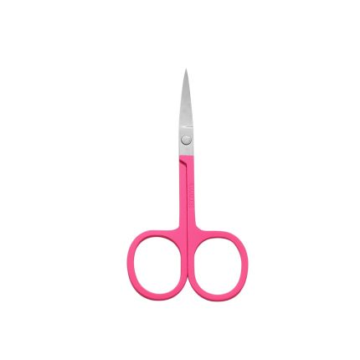
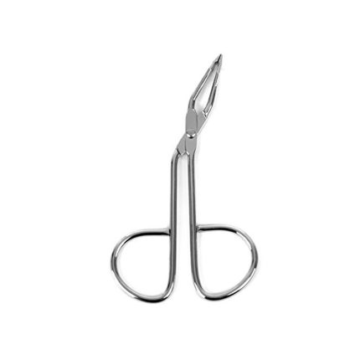
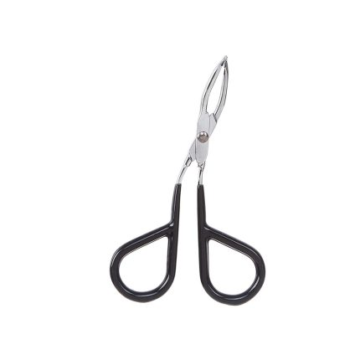
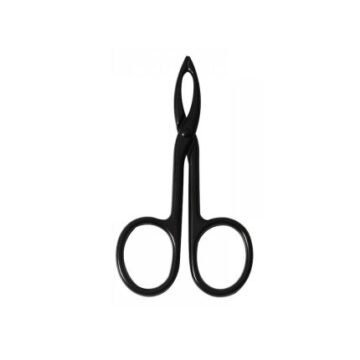
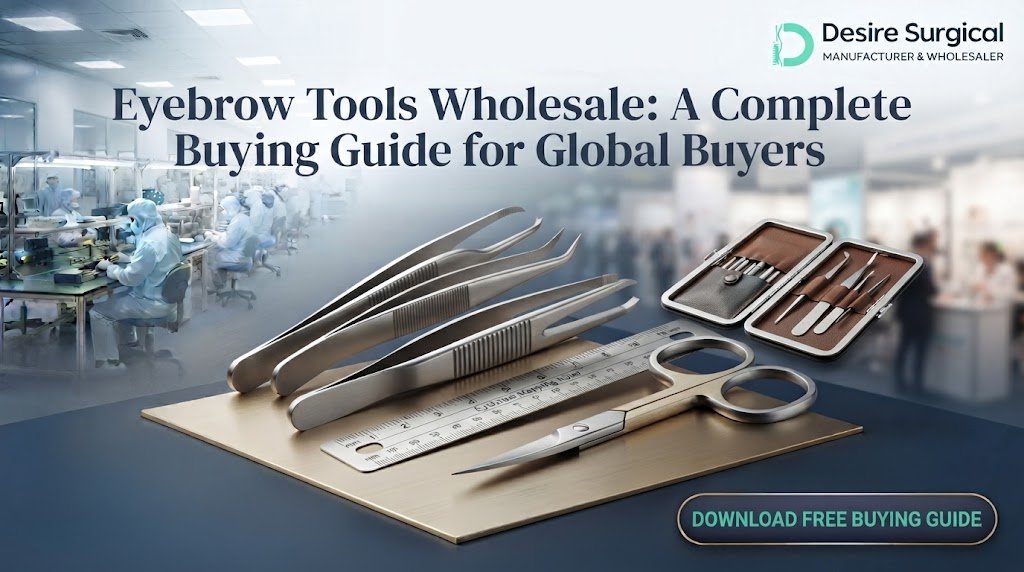
Eyebrow tools cover a wider range than buyers often expect, including slant-tip tweezers, pointed tweezers, brow razors, and precision shaping scissors. Tip style, blade type, and handle finish all affect how a tool performs and who it appeals to. Salons and brow studios typically favor slant-tip tweezers for shaping, while some markets prefer pointed tips for ingrown hair removal. A manufacturer offering a range of styles gives wholesale buyers more flexibility to match regional preferences. You can review current styles in our eyebrow tools category as a starting point for sourcing decisions.
Material and Construction Options to Evaluate
Material choice affects both product performance and price point, so global buyers should understand the available options before requesting quotes. Common considerations include:
- Steel grade, typically surgical-grade stainless steel such as AISI 410 or AISI 420
- Tip style: slant, pointed, or flat
- Handle finish: satin, matte, or mirror polish
- Blade sharpness and edge consistency for razors and scissors
- Tip alignment precision, since this directly affects tweezer performance
Buyers targeting different price tiers often stock multiple tip and finish combinations rather than a single standard product. Requesting samples across a few configurations helps identify which options perform best for a specific market.
OEM and Private Label Opportunities
Wholesale buyers building their own brand identity typically move toward OEM or private label production once order volume justifies it. OEM production uses a manufacturer’s existing tool designs under a buyer’s label, while private labeling allows deeper customization of tip style, handle finish, and packaging.
Global buyers commonly request:
- Logo engraving or laser etching on handles
- Custom handle colors matched to brand identity
- Branded packaging, pouches, or point-of-sale display cards
- Tip style variations for different professional uses
- Custom sizing for professional versus retail product lines
A manufacturer with prior private label experience should be able to share examples and realistic timelines for tooling versus cosmetic customization requests.
MOQ and Order Planning for International Buyers
Minimum order quantity planning is central to wholesale sourcing, since it directly affects warehousing costs, cash flow, and how quickly a distributor can test a new product line. MOQ for eyebrow tools is generally flexible and depends on the specific customization requested rather than a fixed universal number. A standard tool with logo engraving typically requires a lower minimum than a tool with a newly developed tip design.
Buyers new to a manufacturing relationship should ask about tiered MOQ structures directly. Many suppliers offer reduced minimums for first orders, with better per-unit pricing unlocked as order history and volume grow.
Quality Control Buyers Should Expect
Consistency across production batches is one of the most common pain points in wholesale sourcing. Ask potential suppliers whether they inspect tip alignment, blade sharpness, and handle assembly during production, in addition to a final check before packaging. Reasonable questions to raise include:
- What quality checks occur during grinding and assembly?
- How is tip alignment maintained across large batches?
- What is the typical defect rate on production runs?
- Is a pre-shipment sample available for approval?
Suppliers confident in their process typically welcome these questions and can answer them without delay.
Export Logistics for Global Sourcing
International buyers should confirm a manufacturer’s experience shipping to their specific region before placing a first order. Relevant questions include what export documentation accompanies each shipment, how tools are packaged to prevent tip damage in transit, and what the typical production-to-delivery timeline looks like. A manufacturer based in an established manufacturing hub, such as Sialkot, Pakistan, often has substantial experience navigating export requirements across multiple international markets.
Building a Reliable Wholesale Supply Chain
Global buyers who succeed with wholesale sourcing typically prioritize manufacturers who are transparent about materials, consistent across batches, and flexible on MOQ without compromising quality. Taking time to vet these factors before the first order, rather than after a problematic shipment arrives, is what separates a dependable long-term supplier from a one-time transaction.