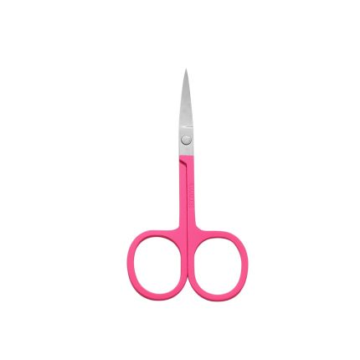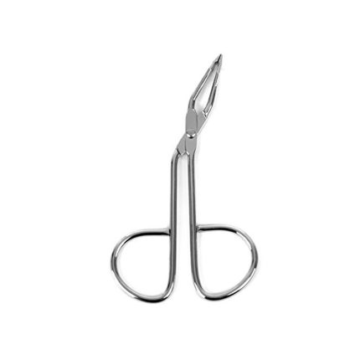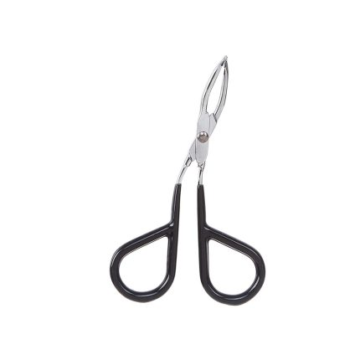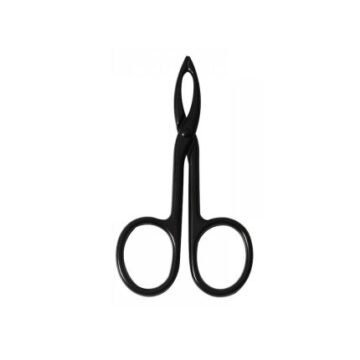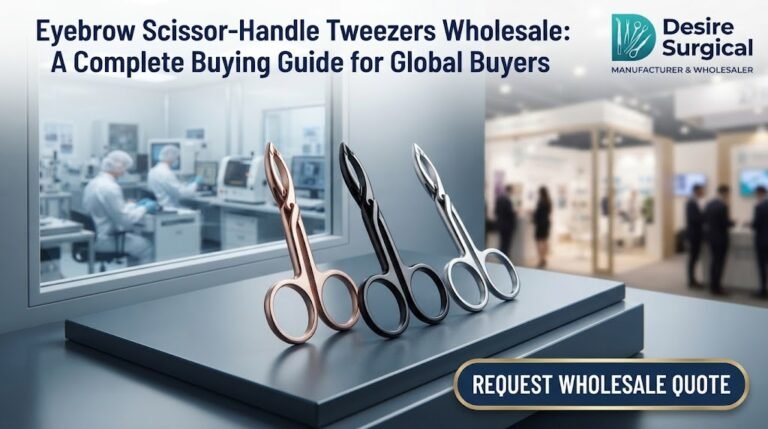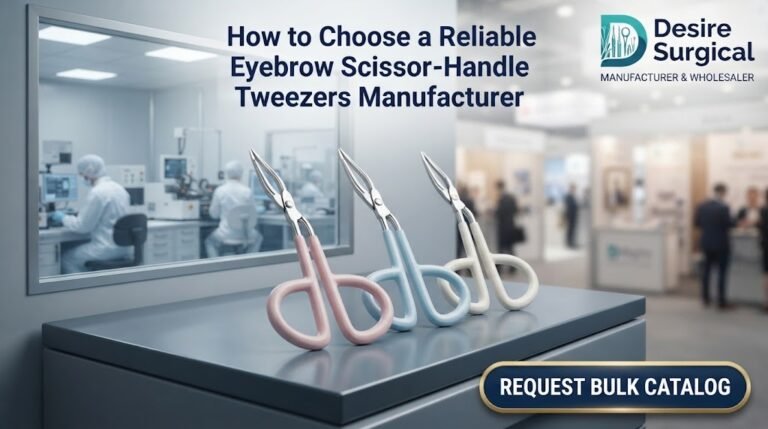
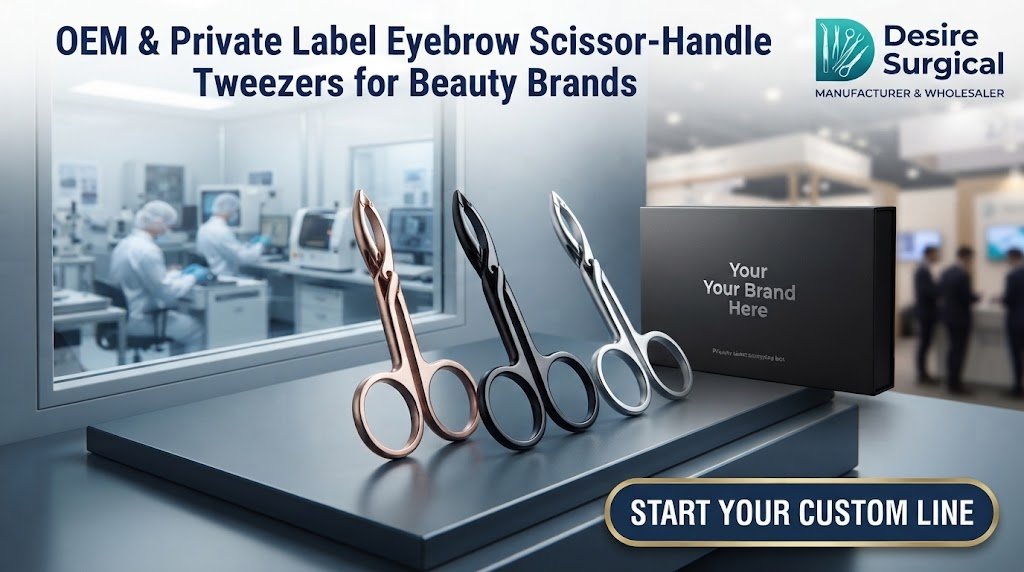
Eyebrow scissor-handle tweezers offer a distinctive spring-loaded design that sets them apart from standard tweezers, making them a strong candidate for private label differentiation rather than generic stock sourcing. For brands weighing OEM versus fully custom private label production, understanding the manufacturing options, material choices, and order requirements helps avoid costly missteps before committing to a first branded run.
OEM vs. Private Label: What’s the Difference
OEM (Original Equipment Manufacturing) means a factory produces scissor-handle tweezers using its existing spring mechanism, tooling, and materials, then applies your brand label to the finished product. This is the fastest and lowest-cost path to a branded product, since no new tooling or design work is required.
Private labeling goes further, allowing a brand to customize spring tension, tip style, handle finish, and packaging. This route takes longer and typically requires higher order volumes to justify tooling costs, but it gives beauty brands a more distinct product that’s harder for competitors to replicate. You can view current base designs in our eyebrow scissor-handle tweezers category to decide which starting point fits your brand.
Material and Construction Options for Private Label
Steel grade and spring calibration are the two decisions that most affect how a private label scissor-handle tweezer performs and feels during daily use. Brands should evaluate:
- Steel grade, typically surgical-grade stainless steel such as AISI 410 or AISI 420
- Spring mechanism tension and responsiveness
- Tip style and alignment precision
- Handle finish: satin, matte, or mirror polish
- Overall tool length and weight balance
A manufacturer should be able to walk brands through trade-offs between these options, including cost differences between spring tension customization and cosmetic finish changes.
Customization Options Beauty Brands Typically Request
Brands building a private label scissor-handle tweezer line commonly request a combination of the following:
- Logo engraving or laser etching on the handle
- Custom handle colors matched to brand palette
- Branded packaging, pouches, or retail-ready display cards
- Spring tension adjustments for a signature grip feel
- Size adjustments for professional versus retail product lines
Tooling-dependent changes, such as a new spring mechanism, take considerably longer than cosmetic changes like logo engraving or packaging design. A transparent manufacturer will separate these timelines clearly rather than quoting a single vague production date.
MOQ for OEM and Private Label Orders
Minimum order quantity is one of the first practical questions for any brand starting a private label line. MOQ for eyebrow scissor-handle tweezers is generally flexible and depends on the type of customization requested rather than a fixed figure. OEM orders with simple logo engraving typically carry a lower minimum than private label orders requiring new spring tooling or custom tension calibration.
Brands should ask manufacturers about tiered MOQ options, since many suppliers offer reduced minimums on first orders to establish the relationship, with better pricing available as repeat order volume increases.
Quality Assurance for Branded Products
Quality consistency matters more, not less, once a brand’s name is on the packaging. Ask potential manufacturers whether they inspect spring tension and tip alignment during production, and whether a final inspection occurs before packaging. Useful questions include:
- What inspection steps happen during spring assembly?
- What is the typical defect or rejection rate?
- Can a pre-production sample be approved before the full run?
- How is consistency maintained across repeat orders over time?
A manufacturer that welcomes sample approval and answers these questions directly is generally a safer long-term partner for a branded product line.
Export and Packaging for International Brands
For beauty brands sourcing internationally, packaging and export experience matter as much as the tool itself. Confirm whether the manufacturer has shipped private label orders to your region before, what export documentation is provided, and how products are packaged to prevent spring or tip damage in transit. A manufacturer based in an established manufacturing hub, such as Sialkot, Pakistan, typically brings substantial experience producing and exporting private label beauty tools.
Choosing the Right OEM or Private Label Partner
The right manufacturing partner for OEM or private label scissor-handle tweezers is transparent about material trade-offs, realistic about tooling versus cosmetic customization timelines, and flexible on MOQ as the relationship develops. Brands that vet these factors carefully before a first order typically build a private label line that scales smoothly instead of stalling on inconsistent quality or missed timelines.