Choosing the wrong factory doesn’t just delay a shipment — it can quietly damage a brand for years. A batch of inconsistent, rust-prone tools reaches customers, generates complaints, and erodes trust long after the original order is forgotten. This is why identifying a genuinely reliable beauty tools manufacturer deserves as much diligence as any other major business decision.
Desire Surgical Instrument manufactures professional beauty tools in Sialkot, Pakistan, supporting beauty brand founders, cosmetic startup owners, salon tool distributors, and procurement managers searching for a dependable factory partner.
Key Takeaways
- Manufacturer reliability protects brand reputation, ensures product consistency, and prevents supply chain bottlenecks.
- Surgical-grade stainless steel (AISI 410/420) is essential for durability, corrosion resistance, and sterilization safety.
- Strong OEM capability includes private-label branding, laser-etched logos, and bespoke packaging.
- A practical vetting checklist covering credentials, capacity, and quality control reduces sourcing risk significantly.
- MOQ stays flexible, adapting to customization level and order volume.
Why Manufacturer Reliability Matters
Every product that reaches a customer carries the manufacturer’s quality standard embedded in it. An unreliable factory introduces risk at every stage: inconsistent batches, missed deadlines, and quality that varies unpredictably from one shipment to the next. For a growing beauty brand, this unpredictability directly threatens customer trust and repeat business.
Reliability also protects against supply chain bottlenecks. A manufacturer with limited production capacity or poor communication can leave a brand scrambling to fulfill orders during peak demand periods, damaging both revenue and reputation simultaneously.
What Manufacturer Unreliability Actually Costs
- Inconsistent product quality that damages customer trust
- Missed shipping deadlines that disrupt inventory planning
- Increased returns and complaints from defective or substandard units
- Wasted time and resources on repeated re-sourcing efforts
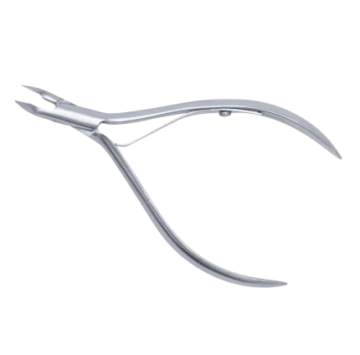
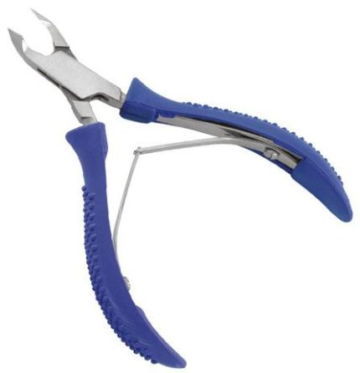
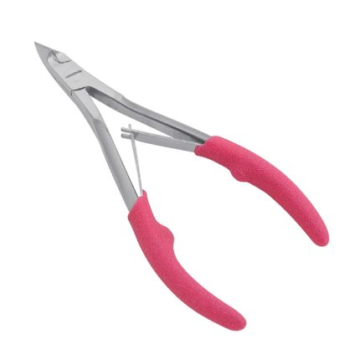
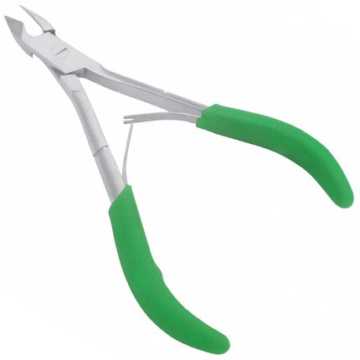
Brand founders evaluating potential partners can start by reviewing an existing range of professional beauty tools to gauge whether a manufacturer’s current product line reflects genuine quality standards.
Evaluating Material Quality Standards
Material specification sits at the foundation of manufacturer reliability. Without confirming steel grade and construction standards, buyers have no reliable basis for predicting how tools will perform once they reach end customers.
What to Confirm Before Committing to a Manufacturer
- Steel grade documentation — request written confirmation of AISI 410 or AISI 420 surgical-grade stainless steel, not vague marketing claims
- Corrosion resistance testing — ask whether the manufacturer verifies rust resistance under realistic sanitization conditions
- Sterilization safety — confirm tools are designed to withstand repeated professional cleaning without degrading
- Batch consistency verification — request evidence of quality control checks across full production runs, not isolated samples
A manufacturer confident in their material standards will provide this documentation without hesitation. Vague or evasive answers on steel grade specifications should be treated as an immediate red flag during evaluation.
OEM and Customization Capabilities
Beyond raw manufacturing reliability, growing brands need a partner capable of supporting genuine product differentiation. A manufacturer limited to fixed, generic products restricts a brand’s ability to build recognition in competitive markets.
What Strong OEM Capability Looks Like
- Private-label branding, supported consistently across full wholesale production runs
- Laser-etched custom logos, producing a permanent brand mark that withstands repeated use
- Bespoke packaging, tailored to match a brand’s specific market positioning
- Flexible specification adjustments, accommodating brand-specific requirements without excessive delays
Buyers can compare available configurations by reviewing our manicure kits and barber kit sets collections to see how customization is applied across different product categories before requesting a custom quotation.
Vetting Factories in Sialkot: A Practical Checklist
Sialkot hosts a wide range of manufacturers, from established, export-focused facilities to smaller operations with limited quality infrastructure. A structured vetting process helps buyers identify which category a potential partner falls into before committing to a bulk order.
Factory Credentials
- Confirm direct manufacturing status versus trading company or reseller status
- Request documentation of production capacity and manufacturing capabilities
- Ask about export history and existing relationships with international clients
Production Capacity
- Confirm the factory can realistically support your target order volume without excessive lead time
- Ask how the factory handles seasonal demand spikes or large recurring orders
- Request references from buyers with similar order volumes to your own
Quality Control Protocols
- Inquire whether quality checks happen at multiple production stages, not just final inspection
- Confirm metallurgical testing practices for steel hardness and composition verification
- Ask how defective units are identified and handled before shipment
Export Reliability
- Request examples of previous international shipments to markets similar to yours
- Confirm familiarity with export documentation and customs requirements for your destination country
- Ask about typical lead times and how delays are communicated when they occur
Buyers who work through this checklist systematically significantly reduce the risk of partnering with an unreliable factory, protecting both product quality and brand reputation over the long term.
FAQ
How many samples should I request before evaluating a manufacturer?
Request multiple samples from the same production batch, ideally three to five units, to check for consistency in material quality, sharpness, and finishing rather than relying on a single sample.
What questions reveal whether a supplier is a manufacturer or a reseller?
Ask directly about their production facility, request a factory tour or audit if possible, and ask specific technical questions about steel grade and manufacturing processes that only an actual manufacturer could answer confidently.
How can I verify export reliability before placing a bulk order?
Request references from previous international clients, ask about their experience shipping to your specific destination country, and confirm their familiarity with relevant customs documentation.
What is a reasonable starting MOQ when testing a new manufacturer relationship?
Many reliable manufacturers offer flexible MOQ for initial orders, allowing buyers to evaluate quality and reliability on a smaller scale before committing to larger, recurring bulk volumes.
Request a Reliable Wholesale Manufacturing Partnership
Ready to partner with a manufacturer built on consistency and quality control? Contact Desire Surgical Instrument today for a reliable wholesale manufacturing partnership. Share your required product categories, customization needs, and order volume, and the team will outline next steps for building a dependable long-term supply relationship.