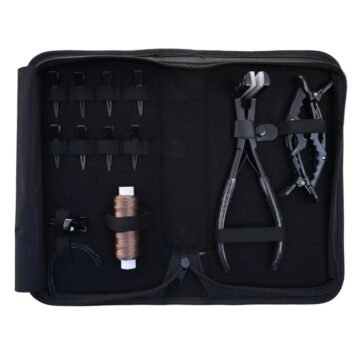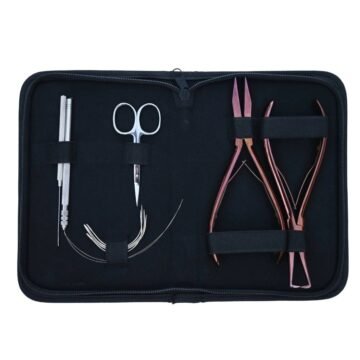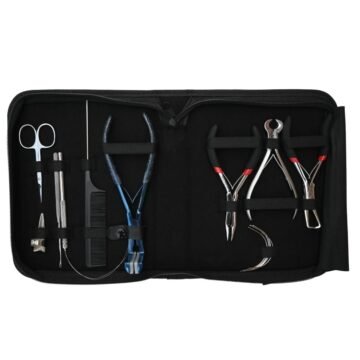
Wholesalers, distributors, importers, and brand owners developing a custom hair extension tools kit often ask the same question early on: which tools and accessories should the kit actually include? The biggest advantage of a custom kit is flexibility. Buyers don’t need a standard, ready-made kit. Instead, they can work directly with a manufacturer to build a kit around their target market, customer base, and product requirements.
What Is a Custom Hair Extension Tools Kit?
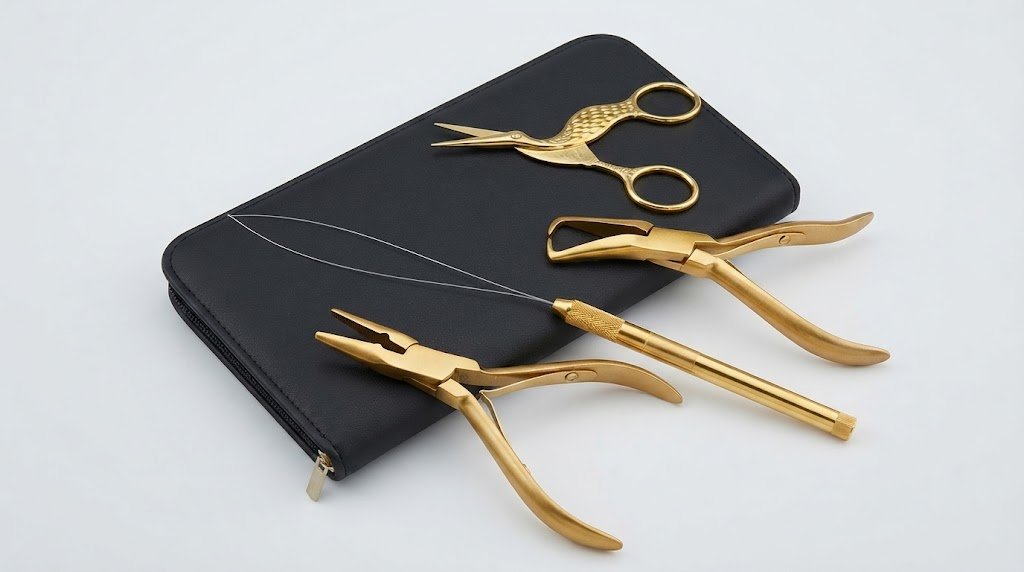
A custom hair extension tools kit combines multiple tools and accessories into one complete branded product. Buyers who want to sell under their own company name can work with a manufacturer to develop this kind of kit from the ground up. The specific tools included depend on the target customer, the extension technique used, and the overall market the buyer serves.
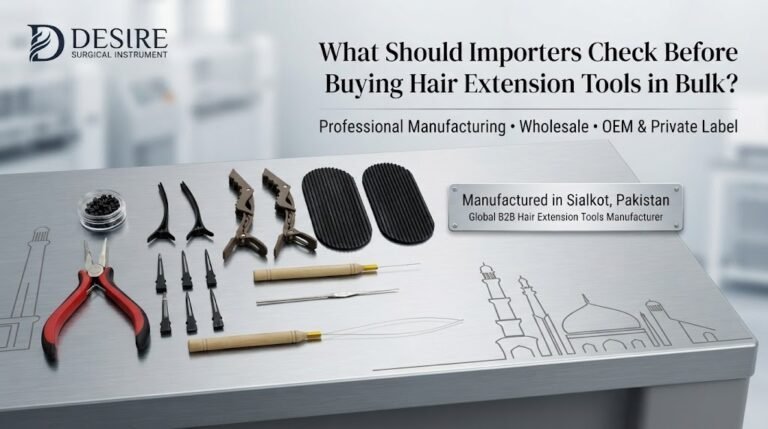
Core Tools to Consider
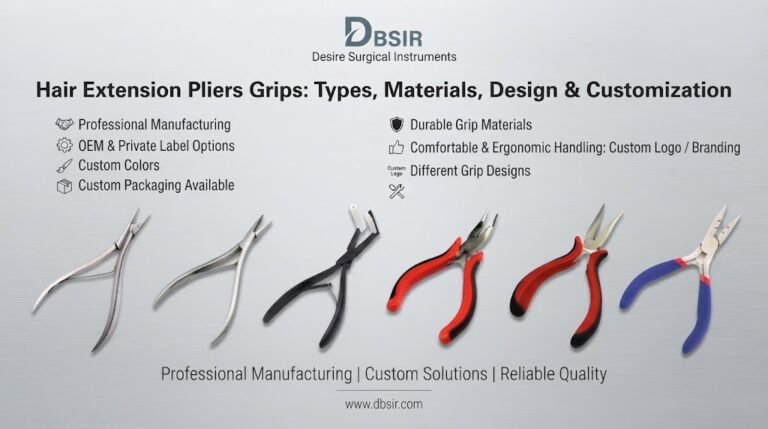
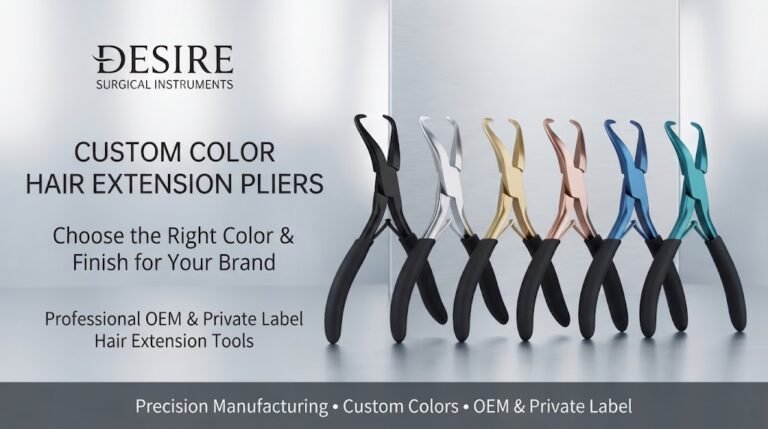
Hair Extension Pliers. Pliers form the foundation of most professional kits. Options include hair extension pliers, micro ring pliers, bead pliers, loop ring pliers, notched pliers, and multi-function pliers. Buyers can also customize plier color, handle design, grip, finish, and logo placement.
Hook Tools. Hair extension hooks or pulling tools support various application processes. Salons and technicians frequently request these as part of a complete kit. Handle color, design, and branding remain customizable here as well.
Loop Tools. Loop tools serve specific extension techniques. Depending on the target market, a kit might include one loop tool or several. Buyers can coordinate color and design with the rest of the kit during customization.
Sectioning Clips. Proper hair sectioning matters throughout many application processes, so sectioning clips often appear in complete kits. Buyers can adjust quantity, color, and design to match their branding.
Combs. A sectioning comb rounds out most professional kits. Manufacturers can adjust the comb’s size, material, and color to fit the kit’s overall design.
Weaving or Extension Needles. Buyers targeting markets that use weaving techniques can add relevant needles, selecting type and quantity based on intended use.
Removal Tools. Including removal tools helps position a kit as a complete, professional solution rather than just an application set.
Customizing Quantity and Color
Customization goes beyond tool selection. Buyers can also set the quantity of each tool included. A premium kit might carry a wider tool selection, while a basic kit sticks to essential items only. Similarly, custom colors let buyers match tools to their brand identity, creating a consistent, professional look across the entire product range.
Branding: Logo and Packaging
Logo branding ranks among the most valuable customization options for a kit. Manufacturers can typically place a company logo or brand name on the tools themselves, plus the pouch, box, product card, or other packaging elements. This branding turns a standard tool collection into a recognizable, sellable product.
Packaging deserves equal attention. Common options include custom printed boxes, branded pouches, tool cases, printed bags, product cards, instruction cards, logo stickers, and barcode labels. Well-designed packaging directly improves how a kit presents in both wholesale and retail settings.
A custom tool case or branded pouch adds practical value too. Beyond keeping tools organized, the case or pouch can carry the company logo, brand name, and brand colors, reinforcing visual consistency across the whole kit.
Private Label Kits
Buyers building their own hair extension brand can explore a private label hair extension tools kit. The manufacturer supplies the kit under the buyer’s brand name, logo, and custom packaging, allowing the buyer to market it as their own. This option works particularly well for wholesalers, distributors, and beauty product companies developing a distinct branded range.
Information to Prepare for the Manufacturer
Clear specifications speed up quoting, sampling, and production. Before reaching out, buyers should prepare answers to:
- Which tools should the kit include?
- How many pieces of each tool are needed?
- What colors are required?
- Where should the logo appear?
- What packaging type fits the brand?
- Is a pouch or tool case needed?
- Which market is the kit targeting?
- What’s the total order quantity?
- Is a sample required before bulk production?
- Is private label branding needed?
Final Notes
A custom hair extension tools kit gives wholesalers, distributors, and brand owners a flexible way to build a product suited to their specific market. Buyers can combine pliers, hooks, loops, sectioning clips, combs, needles, and removal tools depending on the kit’s intended use, then customize quantities, colors, logos, packaging, cases, and private labeling to match their brand. The most effective approach starts with a clear understanding of the target market, followed by a complete tool list and customization specification, a pre-production sample, and finally bulk production once everything is approved. Done right, a custom kit becomes more than a tool collection — it becomes a complete branded product.